

3/8 Or 1/2 Nap Roller For Walls? (What You Should Get)
Standing in the paint aisle staring at roller covers can feel weirdly stressful.
They all look almost the same, but the labels say things like 3/8-inch nap, 1/2-inch nap, smooth, semi-smooth, rough surface, and suddenly a simple paint job feels more complicated than it should.
For most walls in most homes, a 3/8-inch nap roller is the right call.
It gives cleaner results, wastes less paint, and is much easier to control.
In this post, we’ll break down if you should pick 3/8 or 1/2 nap rollers for walls, when each makes sense, and if you can use the same roller for all walls.
3/8-Inch Nap Roller Is The Best Choice
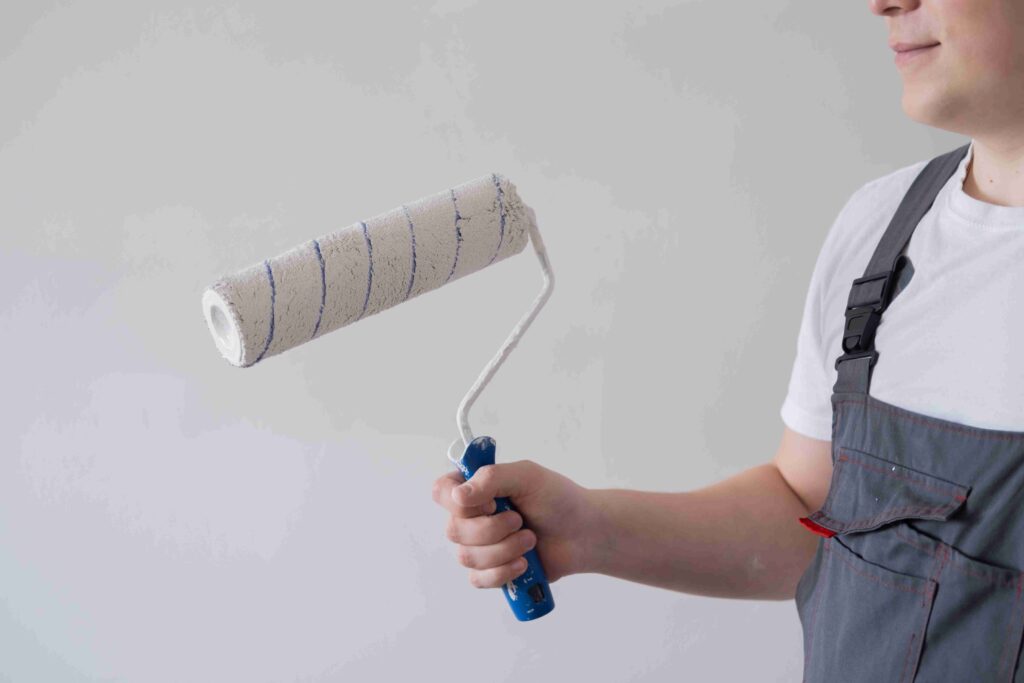
If you’re painting standard interior walls made of drywall, the kind you see in bedrooms, living rooms, hallways, or offices, a 3/8-inch nap roller is almost always the better option.
Most modern walls are either smooth or lightly textured. They don’t need a thick, fluffy roller to get paint into deep grooves.
Using too much nap on these walls can actually create more problems than it solves.
Painters, including professionals who do this every day, default to 3/8-inch nap for a reason. It strikes a nice balance. It holds enough paint to move efficiently but not so much that it starts dripping, splattering, or leaving heavy texture behind (more on this next).
If you’re unsure and only want to buy one roller, this is the safest bet.
Also Read: Can You Paint Eggshell Over Semi Gloss?
#1 Smoother, More Professional Finish
A 3/8-inch nap lays paint onto the wall more evenly.
Because the fibers aren’t as long, the roller doesn’t leave behind that fuzzy, stippled texture you sometimes see after painting.
This matters a lot once the paint dries.
What looks fine when wet can suddenly show roller marks, patchy areas, or a slightly rough feel once everything sets. A shorter nap helps avoid that.
If your goal is a clean, smooth wall that looks like it was done by someone who knows what they’re doing, this roller makes life easier. It’s especially noticeable with satin, eggshell, or semi-gloss paints, which tend to highlight flaws more than flat paint.
#2 Better Control And Easier To Avoid Streaks
Longer nap rollers carry more paint, which sounds helpful at first. The downside is control.
Too much paint on the wall at once makes it harder to keep things even.
A 3/8-inch nap gives you more precision.
You can control pressure better, feather out edges more cleanly, and avoid those thick roller lines that show up when paint builds up unevenly.
This is huge for beginners.
It’s forgiving. You don’t have to fight the roller or constantly worry about drips sliding down the wall while you’re still working your way across the room.
Also Read: Can You Use Latex Paint Over Oil Based Primer?
#3 Ideal Match For Smooth Surfaces
Smooth drywall and lightly textured walls just need consistent coverage.
A 3/8-inch nap is designed exactly for that.
It touches the surface evenly without pushing paint into places it doesn’t need to go. The result is fewer touch-ups, less frustration, and a finish that looks intentional instead of rushed.
If your walls feel mostly flat when you run your hand across them, this roller is doing you a favor.
When A 1/2-Inch Nap Roller Makes More Sense
1/2-inch nap rollers are not useless. They just aren’t the default choice for every wall.
A 1/2-inch nap starts to make sense when the wall surface has more texture. Think noticeable orange peel, knockdown texture, rough plaster, or older walls that aren’t perfectly smooth anymore.
The longer fibers help push paint into the low spots and uneven areas. Without that extra reach, paint can skim over the surface and leave tiny unpainted pockets behind.
A 1/2-inch nap can also help when speed matters more than finesse.
It holds more paint, so you’ll reload the roller less often. That’s helpful on big walls, garages, basements, or utility areas where perfect smoothness isn’t the goal.
The trade-off is texture. On smoother walls, this roller can leave a heavier finish that looks slightly rough once dry.
That’s why it’s best used intentionally, not by default.
Wall Texture And How It Affects Your Choice
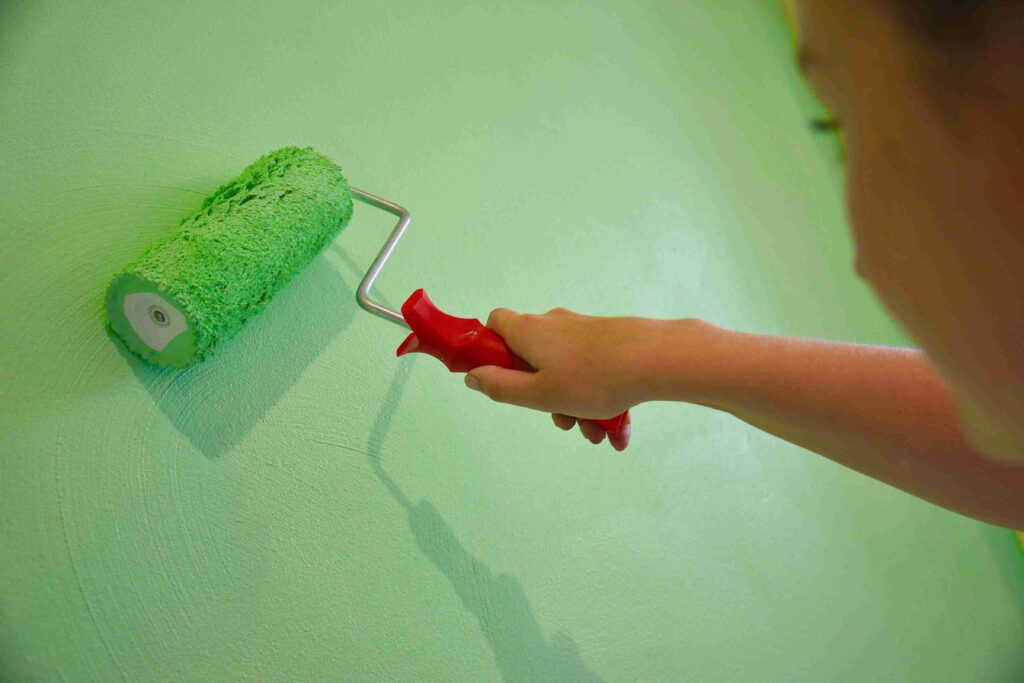
Wall texture is the deciding factor more than anything else.
Smooth drywall and lightly textured walls don’t benefit from extra nap. In fact, they usually look worse with it.
The paint sits thicker on the surface, and roller marks become more visible.
Moderately textured walls start to lean toward 1/2-inch nap territory. If the texture is easy to see and feel, the longer fibers help get paint into the dips and bumps.
Very rough surfaces, like brick or heavy stucco, often need even more nap than 1/2-inch, but that’s a different conversation entirely and usually outside normal interior wall painting.
This simple test helps:
Run your hand across the wall. If it feels mostly smooth with slight texture, stick with 3/8. If you clearly feel bumps and grooves, stepping up to 1/2 makes sense.
Also Read: How Much Do Painters Charge In Virginia?
3/8 Vs 1/2 Nap Rollers
Here’s a simple side-by-side comparison to make things crystal clear:
| Feature | 3/8-Inch Nap | 1/2-Inch Nap |
| Best for wall type | Smooth to lightly textured | Moderately textured |
| Finish appearance | Smoother, cleaner | Heavier texture |
| Paint control | Easier to manage | Holds more paint |
| Splatter risk | Lower | Slightly higher |
| Ideal for | Most interior walls | Textured walls, faster coverage |
Can You Use The Same Roller For All Walls?
You can, but it’s not always ideal.
You can paint smooth walls with a 1/2-inch nap roller, but you’ll need to be extra careful with pressure and technique. You might also spend more time fixing roller marks afterward.
You can also paint textured walls with a 3/8-inch nap, but you may notice thin spots where paint didn’t fully reach the surface.
If you’re painting one room with similar wall texture throughout, using a single roller is perfectly fine. If you’re moving between rooms with different textures, switching rollers can save time and frustration in the long run.
Many DIY painters keep both sizes on hand. One for standard walls, one for rougher areas.
That small extra cost often pays for itself in better results.
Bottom Line
If you’re painting typical interior walls, go with a 3/8-inch nap roller. It’s easier to control, gives a smoother finish, and works well with the kinds of walls most homes have.
A 1/2-inch nap roller has its place, especially on textured surfaces or rougher walls that need a little extra help holding paint.
Just don’t assume bigger is better.
When in doubt, 3/8-inch nap is the safer, more forgiving option. It makes painting feel less stressful and the final result more polished, even if it’s your first time picking up a roller.
Our Blogging Expert

Jairo Ramirez has been in the painting industry for over a decade and has served hundreds of customers across the greater Richmond, VA area.
Our Locations
Painting in Richmond, VA
Our Reviews
Popular Articles


