Can You Use Latex Paint Over Oil Based Primer? (Solved)
If you’ve ever found yourself staring at a can of oil-based primer and wondering if you can paint over it with your favorite latex paint, we have good news for you: You totally can!
It’s a combo that actually works really well when done right.
Oil-based primers are strong and durable, while latex paints are flexible, easy to clean, and super user-friendly.
So, mixing the two gives you the best of both worlds.
This setup is common when you want the solid, stain-blocking power of an oil primer but don’t feel like dealing with the fumes or cleanup of oil paint.
In this post, we’ll show you how to use latex paint over oil-based primer.
Can You Use Latex Paint Over Oil-Based Primer?
Yes, it’s perfectly fine to use latex paint over oil-based primer, as long as that primer has had time to cure completely and you’ve given it a little surface prep.
Latex paint (which is water-based) needs to adhere to the oil-based primer, and if you don’t prep, you might run into problems down the road. We’re talking peeling, chipping, or that paint not sticking as well as it should.
So, it’s not about if you can do it, but more about how you do it.
Oil-based primers have a harder, slicker surface compared to latex, so if you don’t treat it right, latex won’t bond as easily. But if you follow the right steps, you’ll be good to go.
No shortcuts if you want a long-lasting finish!

Also Read: Can You Paint Over Gel Stain?
How To Paint Latex Over Oil-Based Primer
Ready to get started? Awesome. Here’s the step-by-step process on how to paint latex over oil-based primer, so that your latex paint sticks and lasts:
Step 1: Let The Primer Fully Cure
First things first: give that primer plenty of time to cure.
This isn’t the same as just drying. Curing means the primer is completely hard and has gone through all the chemical changes it needs to before you paint over it.
Usually, oil-based primers can take 24 to 48 hours to cure properly, depending on the brand and the conditions.
So, be patient! It’s tempting to rush, but trust me, rushing here can cause problems later.
Step 2: Sand To Dull The Sheen
Once the primer is fully cured, it’s time to grab some sandpaper.
You don’t need to go all out here, but you do need to rough up the surface a little. The goal is to take away that shiny, slick finish of the primer so the latex paint has something to grip onto.
I recommend using a medium grit sandpaper, like 150- to 220-grit.
Just give it a quick sanding and you don’t need to go crazy. You’re not trying to remove the primer, just dull the surface so it’s not so smooth.
Also Read: How To Choose A Painting Contractor
Step 3: Wipe Off Any Dust Or Residue
After sanding, you’re going to have a lot of dust. It’s just part of the process.
So, take a clean, damp cloth and wipe down the surface to get rid of all that dust.
This ensures your paint goes on nice and clean, without any particles causing bumps or imperfections in your finish.
Let it dry completely before you move on to the next step.
Step 4: Apply The Latex Paint
Now the fun part: painting!
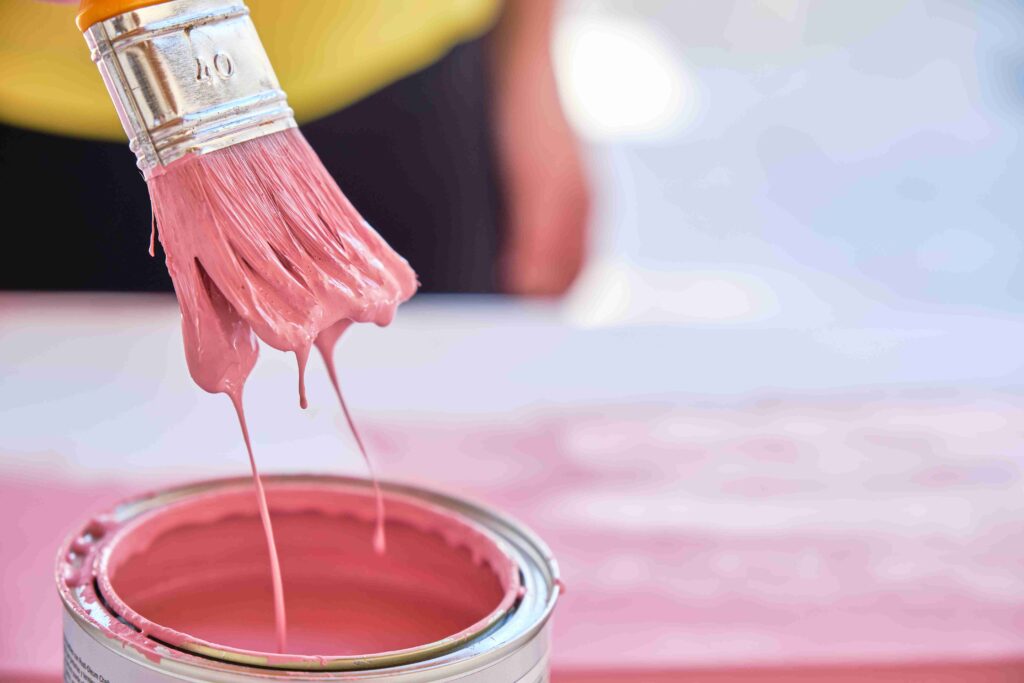
Make sure your latex paint is mixed well and ready to go. Use a good-quality brush or roller, depending on your surface, and start applying the paint.
You’ll want to do a thin, even coat. Don’t glob it on – thin coats always work better, and you can always add a second coat if you need more coverage. Let the first coat dry before adding a second one.
Keep your strokes smooth and steady, and you should see a great finish start to come together.
Step 5: Let It Dry And Apply A Second Coat If Needed
Once the first coat is dry (this usually takes a couple of hours, but check the label for specifics), take a look at your work.
If you need to, apply a second coat of latex paint.
This is especially helpful if the first coat didn’t give you the coverage you were hoping for, or if you’re painting a darker color over a lighter one. Just make sure you give the paint enough time to dry between coats, and don’t rush this process.
Also Read: Can You Paint Eggshell Over Flat?
A second coat always makes things look more polished and professional.
When Latex Paint And Oil-Based Primer Works Best
This combo is ideal for all sorts of projects, especially when you need the durability of oil-based primer but prefer the easy handling of latex paint. You’ll get great results on surfaces that are prone to stains, odors, or tannin bleed-through.
Here are a few examples of where this combo shines:
- Wood furniture and trim where oil-based primer blocks stains and seals knots, while latex paint adds color and flexibility.
- Covering old oil-based paint jobs to refresh the look without having to strip everything first.
- Problem areas like water stains or smoke damage. Oil primer locks those in tight so they don’t bleed through your topcoat.
If you’re repainting something that’s been around for a while, this pairing is often the best choice. You’ll get a lasting finish that resists peeling and looks clean for years.
When You Might Want A Different Primer
Even though latex paint over oil-based primer usually works great, there are times when you might want to pick something else.
For example, if the surface is slick, shiny metal, or something glossy like ceramic tile, you’ll get better adhesion with a bonding primer specifically made for those materials.
Also, in places that deal with a lot of moisture (like bathrooms, kitchens, or outdoor projects) you might want to use a specialized primer that resists mold and mildew.
Those are designed to hold up under damp conditions better than standard primers.
Another case is when you’re painting over really glossy oil-based paint that’s in perfect condition. In that case, sanding and cleaning might not be enough, and a bonding primer can give you that extra grip you need before painting.
Get the surface ready so your topcoat can do its job.
Using the right primer for your project just makes everything smoother and longer-lasting.
Bottom Line
You can definitely use latex paint over oil-based primer, and it’s actually a great combination when done right. The main thing is to let the primer cure, lightly sand to dull the shine, clean it up, and apply your latex paint in thin, even coats.
When prepped properly, this setup gives you a durable, professional-looking finish that’s easier to maintain and clean.
It’s perfect for furniture, trim, and walls that need a fresh look without the hassle of using oil paint.
So don’t stress about mixing the two – just follow those prep steps and you’ll end up with a smooth, lasting finish that looks awesome and holds up beautifully.