Can You Skim Coat Over Wallpaper?

So, you’re staring at that old wallpaper and wondering if you can just skim coat over it, huh?

It’s a question I get a lot, and I totally understand why. Wallpaper can be a real pain to remove sometimes, and skim coating seems like it might be an easy fix.

The thing is, while you can skim coat over wallpaper, it’s not always the best choice.

So, before you decide to go this route, it’s important to understand what you’re getting into, and potential issues you could run into.

In this post, I’ll go over everything you need to know about skim coating over wallpaper.

Can You Skim Coat Over Wallpaper Without Removing It?

Yes, you can skim coat over wallpaper (or even wallpaper glue) without taking it off first. 

This can be a real time-saver, especially when the wallpaper just doesn’t want to come off or if removing it might damage your walls.

But here’s the thing – it’s not always smooth sailing. 

How well it works really depends on what shape your wallpaper is in. 

If it’s stuck on there good and tight, you might be okay. But if it’s peeling or bubbling anywhere, you could run into some trouble.

I’ll talk about some of the risks later on in the post.

Also Read: Do You Prime Before Texture?

How To Skim Coat Over Wallpaper

Here’s a step by step guide on how to skim over your wallpaper properly: 

#1 Assess The Situation

Before you jump in, take a good look at your walls. 

Are there large sections of loose wallpaper? Is the paper peeling off in some areas but not others? These are all things you need to consider. 

You should only skim coat if the existing wallpaper is still in relatively good condition.

#2 Address Problem Areas

Now that you’ve decided to go ahead with skim coating, it’s time to get your walls ready. You need to make sure your wallpaper is as smooth and well-adhered as possible.

Walk around your room and run your hands over the walls. Feel for any bubbles and loose edges. These are the spots you’ll need to address. 

Outlets, light switches, and corners are usually where wallpaper starts to give up the ghost first. 

You can cut away these loose sections and bubbles with a utility knife.

You can use some wallpaper paste if needed too.

#3 Prepare Corners And Seams

Now that we’ve dealt with the problem areas, let’s focus on the corners and seams. 

In the corners where you’ve cut out the wallpaper, you’ll want to make sure you have a clean, straight edge to work with. 

This might mean doing a bit more cutting or even sanding to get things just right.

As for those seams where one piece of wallpaper meets another, we can’t just ignore them. If we did, they might show through our skim coat, and that’s definitely not the professional look we’re aiming for. 

We’ll need to reinforce these areas to make sure they don’t cause us problems down the line.

Also Read: Preparing Walls for Painting After Removing Wallpaper

#4 Apply Drywall Tape

Time to break out the tape! For the corners, we’re going to use good old-fashioned paper tape. It might not look like much, but it’s perfect for creating those sharp, clean edges we want. 

Apply it carefully, making sure it’s straight and well-adhered.

For the seams between wallpaper pieces, I like to use fiber fuse drywall tape. It’s easy to work with and does a great job of reinforcing those potential weak spots. 

If you can’t find fiber fuse, fiberglass mesh tape will do the trick too. 

Just remember, if you go with mesh, you’ll need to use a quick-setting compound instead of regular joint compound.

#5 Mud And Tape As Normal

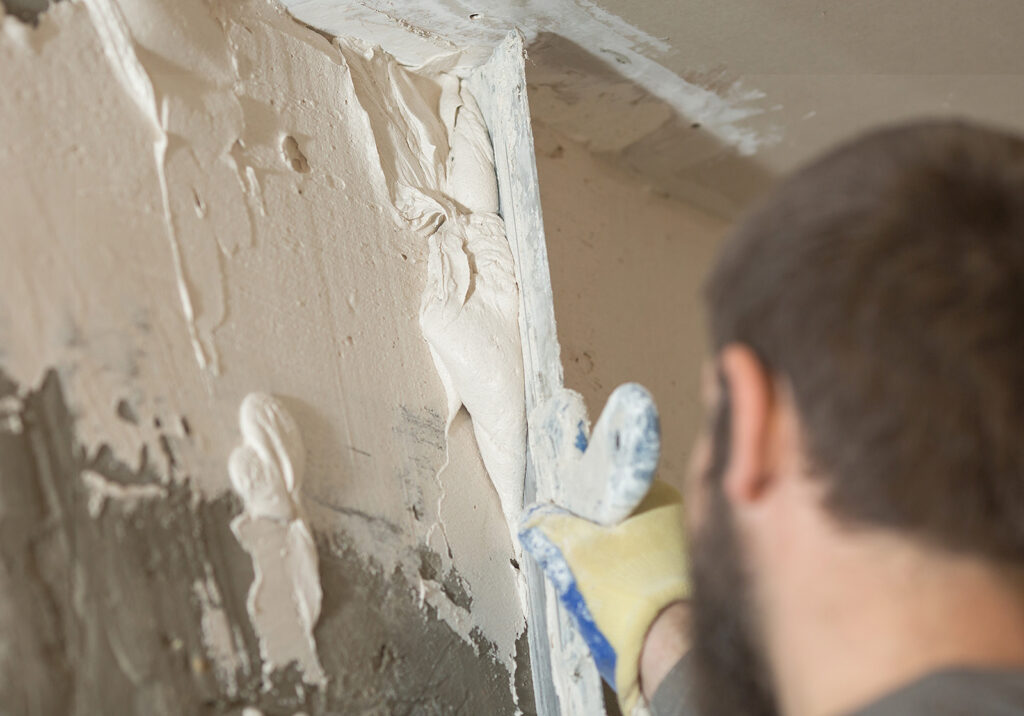
The Process Of Smearing Plaster

Now we’re getting to the heart of the matter – the actual skim coating. 

Treat this just like you would any other skim coating job

Apply your joint compound over the tape, making sure to spread it evenly. Use your taping knife to smooth it out, feathering the edges so they blend seamlessly with the surrounding areas.

You’ll probably need to apply multiple coats to get a really smooth finish. 

Don’t try to do it all in one go – thin, even layers are the key to success here. Pay extra attention to those taped areas – they can be a bit trickier to get smooth. 

And don’t forget to let each coat dry completely before adding the next one.

#6 Sanding

Once your final coat of joint compound is completely dry, it’s time to sand. Use a fine-grit sandpaper and take your time. The goal here is to create a surface that’s smooth as glass. 

Run your hands over the walls – they should feel perfectly even, with no bumps or dips.

#7 Finish And Review

Now step back and take a good look at your work. 

Are there any spots that need touching up? 

Any areas where you can still see a hint of the old wallpaper texture? 

Now’s the time to address these issues. It might mean applying another small patch of compound or doing a bit more sanding, but it’s worth it to get a truly professional-looking finish. 

When you’re done, your walls should look like they were never wallpapered in the first place.

Risks Of Skim Coating Over Wallpaper

Now let’s talk about some of the risks involved in skim coating over wallpaper. It’s important to know what you’re getting into:

Also Read: How Long For Home Wood Rot?

Adhesion Problems

One of the biggest issues is getting the joint compound to stick properly. 

Wallpaper isn’t always the best surface for this, especially if it’s got a shiny finish. 

If the compound doesn’t stick well, you might end up with cracks or peeling down the line.

This is why you need to make sure the wallpaper is in good shape and maybe even use a special bonding agent to help everything stick together.

Wallpaper Might Peel Or Bubble

Even if your wallpaper looks well-adhered now, the moisture from the joint compound could cause problems sometimes. 

The water in the compound can sometimes seep through to the wallpaper adhesive..

This can lead to bubbling or peeling of the wallpaper underneath your newly skim coated surface. 

The tricky part is that this doesn’t always happen right away. You might think everything’s fine, and then months later, you start seeing issues. 

Uneven Surface

If your wallpaper has any kind of texture or pattern, it might show through your skim coat. 

This can leave you with a surface that’s not quite as smooth as you want, and it might even be noticeable after painting.

You might need to put on several layers of joint compound to fix this.

Harder To Remove The Wallpaper Later

Here’s something to think about for the future – if you skim coat over your wallpaper, it’s going to be much harder to remove it later on. 

The joint compound will stick to the wallpaper, basically gluing it to the wall even more.

If you ever try to take it off, you’ll probably end up damaging the wall underneath. 

So before you start skim coating, make sure you’re okay with that.

Bottom Line

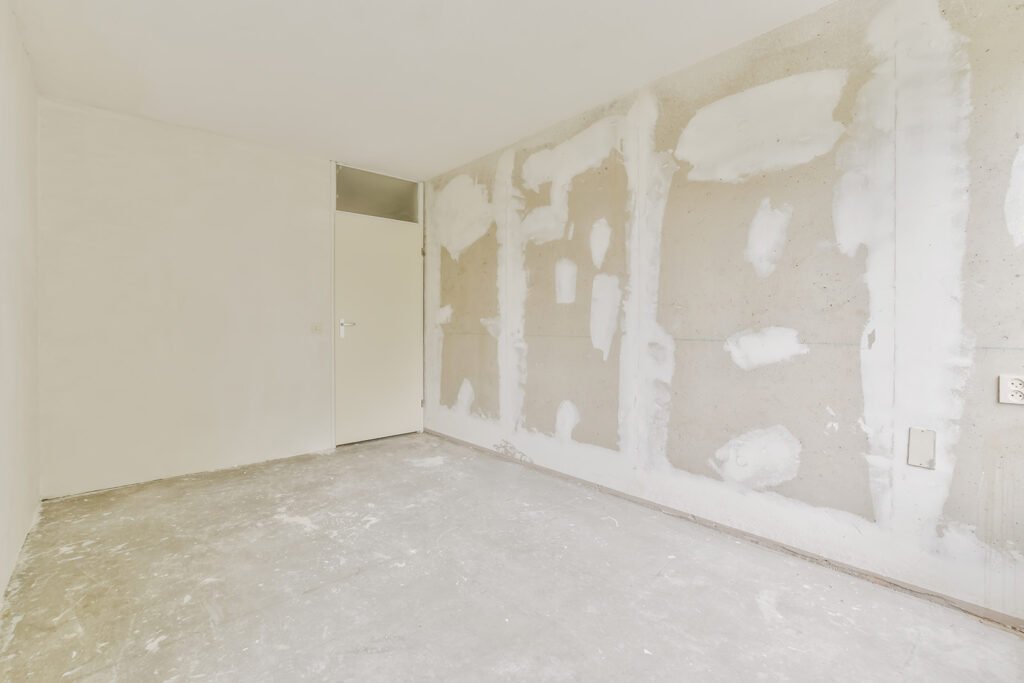
Interior Of A Room Finished Drywall

Skimming over wallpaper isn’t always recommended, but sometimes it’s the best option we’ve got. Take your time, follow these steps, and you’ll end up with walls that are smooth and ready for whatever color you throw at them.

How Long Does It Normally Take for Wood to Rot on a Home?

Did you know that wood can start to rot within 1-3 years if left unchecked in the right conditions? Unchecked wood rot can compromise the structural integrity of your home within just a few years. Understanding how long it takes for wood to rot and learning how to prevent it can save you from costly repairs and safety hazards.

In this post, we’ll discuss the factors affecting wood rot, typical timelines, signs to watch for, and preventive measures such as residential painting to protect your home.

Key Takeaways

  • Moisture is the primary catalyst for wood rot: Leaks, high humidity, and poor ventilation can accelerate the decay process.
  • Different types of wood rot have varying impacts: Brown rot, white rot, and soft rot each affect wood differently and require specific preventive measures.
  • Regular inspections and maintenance are crucial: Early detection of signs like discoloration and damp spots can prevent extensive damage and costly repairs.
  • Proper treatment and ventilation can significantly extend wood’s lifespan: Using wood preservatives, ensuring proper ventilation, and promptly fixing leaks are essential steps to prevent wood rot.

What You Need to Know About Wood Rot

What is Wood Rot?

Wood rot is a type of decay caused by fungi that digest the cellulose and lignin in wood, leading to the deterioration of the wood’s structure. It’s a common issue in homes, particularly in areas exposed to moisture. There are three main types of wood rot: brown rot, white rot, and soft rot, each with its own main characteristics and causes.

Types of Wood Rot

  1. Brown Rot: Often referred to as “dry rot,” brown rot causes the wood to shrink and crack into a cubical pattern. It primarily digests the cellulose, leaving the wood brittle.
  2. White Rot: This type of rot breaks down both cellulose and lignin, resulting in a spongy, white appearance. It is more common in hardwoods.
  3. Soft Rot: Soft rot occurs more slowly than brown or white rot and is often found in conditions too extreme for other types of fungi. It causes a gradual breakdown of the wood’s surface.

Causes of Wood Rot in Homes

Wood rot in homes is primarily caused by fungi, which thrive in moist environments. Key contributors include:

  • Moisture: Leaks from roofs, pipes, or poor drainage can introduce moisture into the wood.
  • Poor Ventilation: Lack of airflow can trap moisture inside walls, attics, or basements.
  • Environmental Factors: Humid climates and wet weather conditions accelerate wood rot.

Factors Affecting Wood Rot Speed in Homes

Moisture Levels

Water is the primary catalyst for wood rot. Common sources of moisture in homes include roof leaks, plumbing issues, and high indoor humidity. Wood with a moisture content above 20% is at high risk of rot.

Temperature and Climate

The speed of wood rot varies with temperature and climate. Fungi grow faster in warm, humid conditions. For example, wood in a coastal or tropical environment will rot more quickly than wood in a dry, temperate climate. Because we are in the Virginia area we often have humid summers that can be more prone to this rot, especially in areas near water such as the Mosely or Brandermill Neighborhoods or along the James River.

Wood Type and Treatment

Different types of wood have varying resistance to rot. Hardwood is generally more resistant than softwood. Treated wood, which has been chemically preserved, also lasts longer than untreated wood.

Location and Exposure

Wood in basements, bathrooms, and exterior siding is more prone to rot due to higher moisture levels. Indoor wood, if kept dry, can last much longer.

Typical Timeline for Wood Rot in Homes

General Timeline

Untreated wood exposed to constant moisture can start showing signs of rot within 1-3 years. However, this timeline can vary widely based on factors like climate, wood type, and exposure.

Specific Scenarios

  • Untreated Wood in a Humid Environment: Significant rot can appear within 1-2 years.
  • Treated Wood in a Dry Climate: May take decades before showing signs of rot.
  • How Long Does It Take for a 2×4 to Rot?: Depending on exposure, untreated 2x4s can start to rot in 1-3 years in moist conditions.

Signs and Stages of Wood Rot

  1. Early Signs: Discoloration, a musty smell, and damp spots are early indicators of wood rot.
  2. Intermediate Signs: Cracking, softening, and minor structural damage indicate progressing rot.
  3. Advanced Signs: Severe damage, such as wood crumbling or breaking apart easily, signifies advanced rot and potential structural failure.

Preventing Wood Rot in Homes

Regular Inspections and Maintenance

Routine inspections can catch wood rot before it becomes severe. Look for discoloration, softness, and damp spots. Pay special attention to areas prone to moisture, such as basements, attics, and exterior walls.

Moisture Control Strategies

  1. Fix Leaks Promptly: Repair any roof, plumbing, or foundation leaks immediately.
  2. Ensure Proper Ventilation: Use exhaust fans in bathrooms and kitchens, and ensure attics and crawl spaces are well-ventilated to reduce humidity.

Using Wood Preservatives and Sealants

Apply wood preservatives and sealants to protect wood from moisture. Regularly reapply these treatments, especially to exterior wood and wood in high-moisture areas.

Repair and Replacement

When wood rot is detected early, small repairs can be made to prevent further damage. For severe rot, it’s best to replace the affected wood and treat the surrounding areas to prevent recurrence.

Frequently Asked Questions (FAQs)

How long does it take untreated wood to rot in the ground?

Untreated wood buried in the ground can begin to rot within 1-2 years, depending on soil moisture and environmental conditions.

How long does it take for wood to become water-damaged?

Wood can become water-damaged within hours to days of exposure to excessive moisture. Prolonged exposure can lead to rot within months.

How do you treat wood rot in a house?

Treat wood rot by removing the affected area, applying wood hardeners, and using epoxy fillers to repair minor damage. Severe cases may require replacing the rotted wood entirely.

Does wood rot easily?

Wood rots easily when exposed to moisture and fungi. Proper treatment and maintenance can significantly reduce the risk of rot.

How long does it take for wood rot to occur?

Wood rot can occur within 1-3 years of constant moisture exposure. Early signs may appear sooner in particularly humid environments.

Can wood rot in 2 months?

In very damp conditions, early signs of wood rot can appear in as little as 2 months. Regular inspection is key to catching issues early.

How can I make wood rot faster?

To accelerate wood rot (e.g., for composting or decay processes), ensure the wood is kept moist, warm, and in contact with soil or other organic material.

How long does it take wet wood to start rotting?

Wet wood can start to show signs of rot within a few months, especially in warm and humid conditions.

Conclusion

Understanding the factors that affect wood rot and taking proactive measures can save you time and money. Inspect your home today and apply these preventive tips to protect your investment. If you need assistance with repairing rot in your home’s siding or recoating your home to prevent any future wood rot reach out to the Let’s Upgrade Painting Team today to discuss your project!